
From ancient scriptures to ritual offerings, honey holds a unique...
Read More

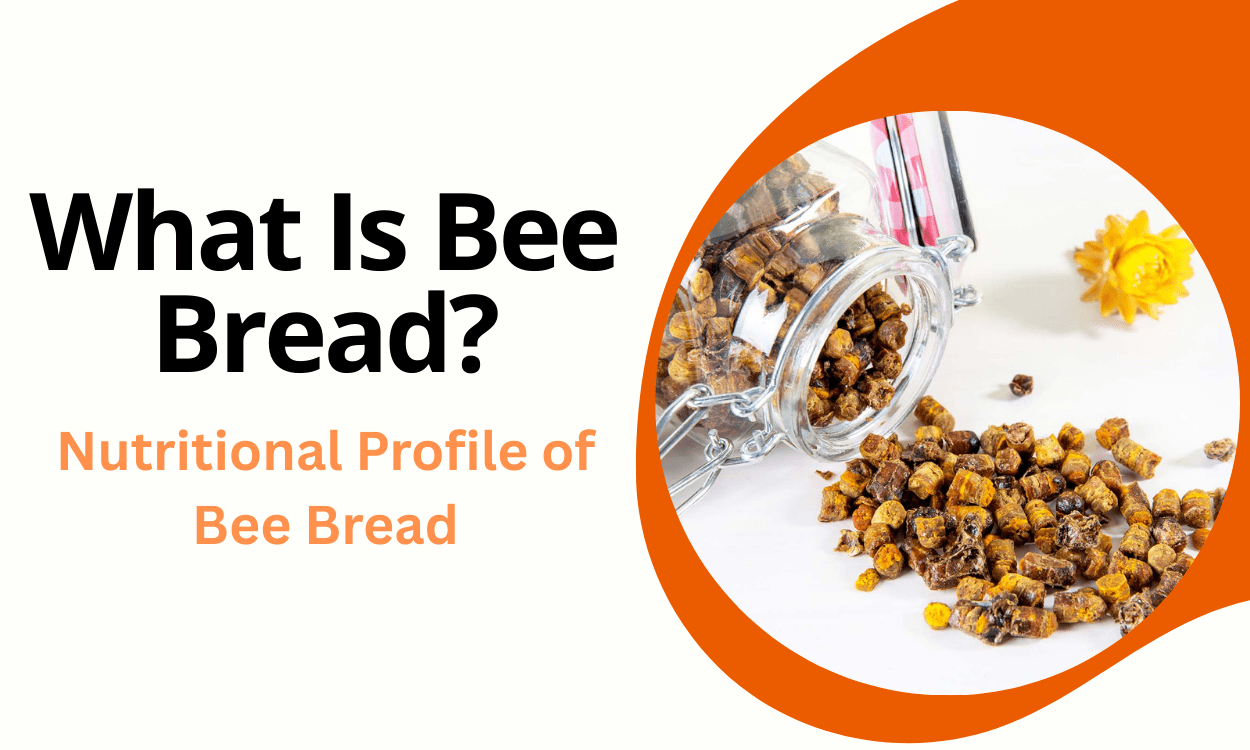
What Is Bee Bread? Nutritional Profile of Bee Bread
In the world of natural nutrition, certain foods gain global fame while others remain quietly powerful yet overlooked. Honey, for example, is celebrated worldwide for its sweetness and healing properties. But hidden inside the hive is another extraordinary substance that many people have never heard of — bee bread. Often referred to as the bees’ primary source of nourishment, bee bread is now being rediscovered as a forgotten superfood with an impressive nutritional profile.
So what makes bee bread so special? And why are health enthusiasts beginning to recognize its value?
What Is Bee Bread?
Bee bread is not ordinary pollen. It is fermented pollen carefully prepared by honeybees. Worker bees collect pollen grains from flowers and mix them with nectar and natural enzymes from their saliva. This mixture is then packed tightly into honeycomb cells and sealed with a thin layer of honey and beeswax.
Inside the hive, a natural fermentation process begins. Beneficial microorganisms transform the pollen into a more digestible and nutrient-rich substance — bee bread. This fermented food becomes the primary protein source for young bees and plays a critical role in the colony’s survival.
The fermentation process is key. It breaks down the tough outer shell of pollen grains, making nutrients easier to absorb compared to raw pollen.
A Rich Source of Protein
One of the standout features of bee bread is its protein content. It can contain approximately 20–25% protein, depending on floral origin. More importantly, it provides essential amino acids that the human body cannot produce on its own.
These amino acids support:
- Muscle growth and repair
- Hormone production
- Immune system function
- Tissue regeneration
For individuals seeking plant-based protein alternatives, bee bread offers a compact and natural option.
Packed with Essential Vitamins
Bee bread contains a wide spectrum of vitamins, particularly B-complex vitamins. These include:
- Thiamine (B1)
- Riboflavin (B2)
- Niacin (B3)
- Pyridoxine (B6)
- Folic acid
B vitamins are crucial for converting food into energy, supporting brain function, and maintaining healthy blood cells. The fermentation process enhances the bioavailability of these nutrients, making them easier for the body to absorb.
Depending on the flowers visited by bees, bee bread may also contain small amounts of vitamins A, C, D, E, and K.
Mineral Diversity
Bee bread is naturally rich in essential minerals that contribute to overall wellness. Commonly found minerals include:
- Iron
- Magnesium
- Calcium
- Potassium
- Zinc
- Phosphorus
Iron helps transport oxygen in the bloodstream. Magnesium supports nerve and muscle function. Zinc contributes to immune defense and cellular repair. This balanced mineral profile makes bee bread a well-rounded nutritional supplement.
Natural Probiotics and Digestive Support
Unlike many other natural foods, bee bread undergoes fermentation. This process introduces beneficial bacteria that may support gut health.
A healthy digestive system plays a central role in:
- Nutrient absorption
- Immune strength
- Reduced inflammation
- Overall vitality
Because bee bread contains both probiotics and fiber-like components from pollen, it may contribute positively to digestive balance when consumed responsibly.
Antioxidant Power
Bee bread contains plant-derived antioxidants such as flavonoids and phenolic compounds. These compounds help neutralize free radicals in the body, reducing oxidative stress.
Oxidative stress is linked to premature aging and various chronic conditions. Including antioxidant-rich foods in the diet supports cellular protection and long-term health.
Since bees collect pollen from diverse flowers, the antioxidant profile of bee bread can vary — making each batch unique in its nutritional composition.
Sustained Energy Support
Bee bread provides a natural combination of carbohydrates, proteins, and micronutrients. This balanced composition can help support steady energy levels without the rapid spikes associated with refined sugars.
Athletes and active individuals sometimes incorporate small quantities of bee bread into their diets as a natural performance-supporting food. Its nutrient density allows even small servings to provide noticeable nourishment.
Why Has Bee Bread Been Overlooked?
Despite its impressive nutritional profile, bee bread remains less popular than honey or royal jelly. There are several reasons:
- It is produced in smaller quantities.
- Harvesting requires careful hive management.
- Its slightly tangy taste from fermentation may be unfamiliar to new users.
However, as awareness about functional foods grows, bee bread is slowly gaining recognition among nutrition-conscious consumers.
The Importance of Ethical Sourcing
The quality of bee bread depends heavily on environmental conditions and responsible beekeeping. Clean floral sources, pesticide-free regions, and sustainable hive practices ensure a purer and more nutrient-rich product.
Reputable suppliers who prioritize ethical harvesting contribute significantly to both product quality and environmental balance. Brands such as Aravalihoney, known for providing responsibly sourced honey, play an important role in supporting sustainable beekeeping practices. Healthy bees produce higher-quality hive products, including honey and bee bread.
By choosing trusted suppliers, consumers not only benefit nutritionally but also help protect pollinator ecosystems.
How to Include Bee Bread in Your Diet
The term “superfood” is often used casually, but bee bread genuinely qualifies based on its nutrient density. It contains proteins, essential amino acids, vitamins, minerals, antioxidants, and probiotics — all in one naturally fermented product.
While it should not replace a balanced diet, bee bread can serve as a powerful nutritional supplement. Its combination of macro and micronutrients makes it one of the most complete natural foods produced in the hive.
Final Thoughts
Bee bread may be one of nature’s most underrated nutritional treasures. Created through a remarkable fermentation process inside the hive, it offers a rich blend of proteins, vitamins, minerals, antioxidants, and beneficial bacteria.
As modern consumers seek natural and nutrient-dense foods, this forgotten superfood deserves renewed attention. Supporting ethical suppliers like Aravalihoney ensures access to high-quality bee products while contributing to sustainable beekeeping and environmental preservation.
Sometimes, the smallest elements of nature hold the greatest nutritional power — and bee bread is a perfect example.
Also Read here
What Is Bee Bread? Nutritional Profile of Bee Bread
Discover the nutritional profile of bee bread, a forgotten superfood...
Read MoreApitherapy: Healing with Honeybee Products
Apitherapy is a holistic approach to wellness that uses products...
Read MoreBee Venom Therapy: Ancient Cure or Modern Myth?
Bee Venom Therapy: Ancient Cure or Modern Myth? For centuries,...
Read More