
From ancient scriptures to ritual offerings, honey holds a unique...
Read More

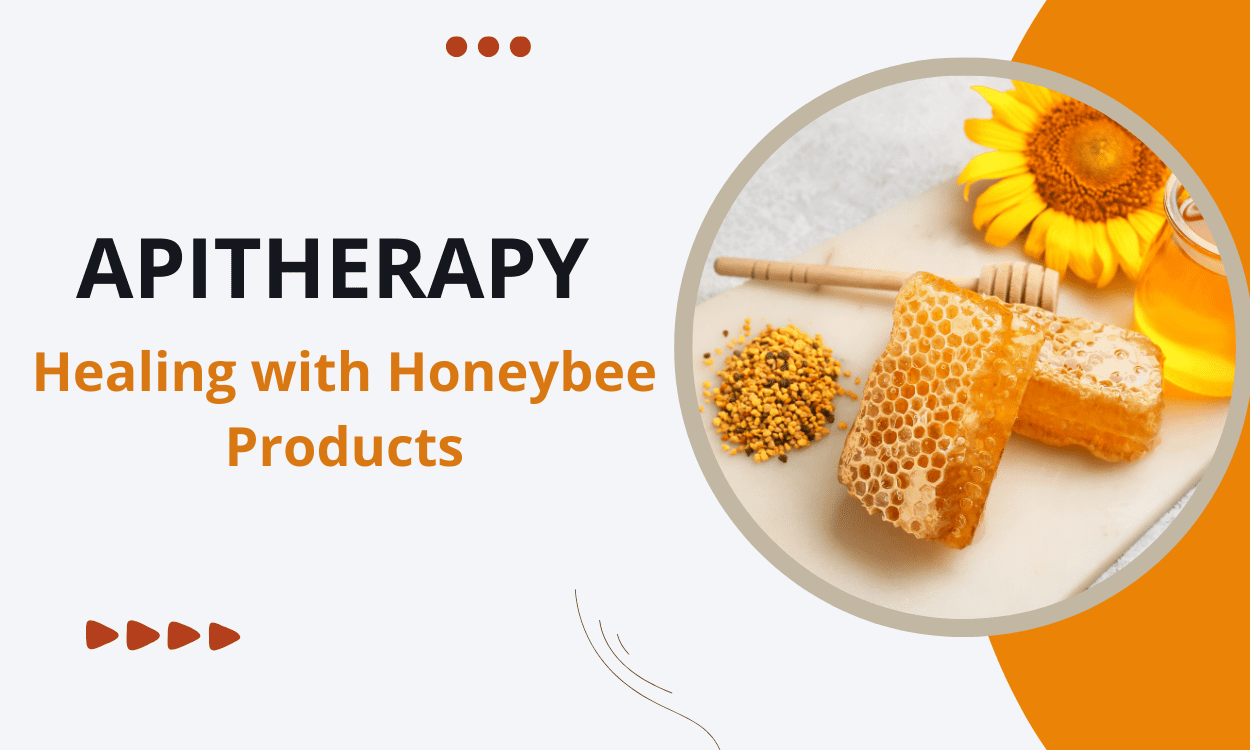
Apitherapy: Healing with Honeybee Products
For centuries, humans have looked to nature for healing. From herbal remedies to animal-based treatments, many traditional therapies have survived the test of time. One such controversial practice is Bee Venom Therapy (BVT)—a treatment that involves using venom from honeybees for medicinal purposes. Supporters call it an ancient cure with powerful benefits, while critics question its safety and scientific validity. This raises an important question: Is bee venom therapy a proven treatment, or just a modern myth rooted in tradition?
What Is Apitherapy?
Apitherapy is a holistic approach to wellness that uses products made by honeybees to promote health. The word itself comes from the Latin “apis,” meaning bee. It includes the therapeutic use of:
- Honey
- Bee pollen
- Propolis
- Royal jelly
- Beeswax
- Bee venom
Each of these substances has unique properties and has been used in traditional healing systems for centuries.
While modern science continues to study their benefits, many cultures have long recognized the medicinal value of bee products.
Honey: Nature’s Sweet Medicine
Honey is perhaps the most well-known bee product. More than just a natural sweetener, honey contains antioxidants, enzymes, vitamins, and minerals.
Traditionally, honey has been used for:
- Soothing sore throats
- Supporting digestion
- Healing minor wounds and burns
- Boosting energy
Its natural antibacterial properties make it valuable in wound care. In fact, certain types of medical-grade honey are used in hospitals to promote healing.
The quality of honey plays a crucial role in its therapeutic potential. Pure, raw, and ethically sourced honey retains more of its natural nutrients. Trusted suppliers like Aravalihoney, known for providing high-quality and responsibly sourced honey, help ensure that consumers receive honey in its most beneficial form. Supporting such suppliers also encourages sustainable beekeeping practices.
Bee Pollen: A Nutrient Powerhouse
Bee pollen is collected by bees from flowers and packed into tiny granules. It contains proteins, amino acids, vitamins, minerals, and antioxidants.
In apitherapy, bee pollen is often considered a natural supplement that may:
- Support immune function
- Increase energy levels
- Aid in recovery after illness
- Provide nutritional support
Because it is rich in nutrients, some people incorporate small amounts of bee pollen into smoothies or yogurt. However, individuals with pollen allergies should be cautious.
Propolis: The Bee’s Protective Shield
Propolis is a resin-like substance bees collect from tree buds and use to seal and protect their hives from bacteria and fungi. Essentially, it acts as the hive’s natural defense system.
In human use, propolis is valued for its:
- Antimicrobial properties
- Anti-inflammatory effects
- Immune-supporting potential
It is commonly found in throat sprays, lozenges, and natural remedies aimed at supporting respiratory health.
Royal Jelly: The Queen’s Nutrition
Royal jelly is a creamy substance produced by worker bees to feed the queen bee. It is incredibly nutrient-dense and plays a role in the queen’s development and longevity.
In apitherapy, royal jelly is believed to:
- Support vitality
- Enhance skin health
- Improve stamina
- Promote hormonal balance
While research is still developing, royal jelly continues to attract attention in both wellness and skincare industries.
Beeswax: More Than Just Candles
Beeswax is often associated with candles and cosmetics, but it also plays a role in apitherapy. It has moisturizing and protective qualities, making it useful in balms, creams, and natural ointments.
Beeswax-based products help create a barrier on the skin, locking in moisture and supporting healing of minor cuts and dryness.
Bee Venom: The Most Controversial Element
Among all bee products, bee venom is the most debated. Bee venom therapy involves controlled exposure to venom, which contains compounds that may influence inflammation and immune responses.
Some alternative medicine practitioners use it for joint pain and autoimmune conditions. However, this approach carries risks, especially for individuals allergic to bee stings. Scientific research is ongoing, and medical supervision is essential.
How Apitherapy Supports Holistic Wellness
Apitherapy is often viewed as part of a broader lifestyle focused on natural health. It emphasizes prevention, nourishment, and supporting the body’s natural healing processes.
The potential benefits include:
- Strengthening immunity
- Reducing inflammation
- Supporting skin health
- Enhancing energy
- Providing antioxidant protection
It is important to understand that apitherapy is generally considered complementary rather than a replacement for conventional medicine. Individuals with chronic health conditions should always consult healthcare professionals before starting new therapies.
The Importance of Ethical and Sustainable Sourcing
Healthy bees are essential not only for apitherapy but also for the environment. Bees play a vital role in pollination, which supports global food production and biodiversity.
Choosing honey and bee products from responsible suppliers ensures:
- Better product quality
- Protection of bee populations
- Sustainable farming practices
- Support for local beekeepers
Brands such as Aravalihoney contribute to ethical sourcing and sustainable beekeeping, helping maintain ecological balance while delivering natural products to consumers.
Is Apitherapy Right for Everyone?
While many people safely use honeybee products, apitherapy is not suitable for everyone. Individuals with bee allergies should avoid certain products, especially bee venom and pollen.
Moderation is key. Natural does not always mean risk-free. Understanding your body’s reactions and seeking professional guidance ensures safe use.
The Future of Apitherapy
Modern science is gradually exploring the biochemical properties of honeybee products. Researchers continue to investigate their potential in wound healing, immune support, and anti-inflammatory treatments.
As interest in natural remedies grows, apitherapy may gain more scientific validation. However, responsible usage, proper research, and sustainable practices must remain priorities.
Conclusion
Apitherapy represents a fascinating blend of ancient wisdom and modern curiosity. From honey’s soothing sweetness to propolis’ protective power, honeybee products offer a diverse range of natural substances that may support health and well-being.
While not a miracle cure, apitherapy highlights the remarkable role bees play in both environmental balance and human wellness. By choosing high-quality, responsibly sourced products from trusted suppliers like Aravalihoney, consumers can embrace natural healing while supporting sustainable practices.
In the end, apitherapy reminds us that sometimes the smallest creatures can offer the most powerful gifts.
Also Read here
What Is Bee Bread? Nutritional Profile of Bee Bread
Discover the nutritional profile of bee bread, a forgotten superfood...
Read MoreApitherapy: Healing with Honeybee Products
Apitherapy is a holistic approach to wellness that uses products...
Read MoreBee Venom Therapy: Ancient Cure or Modern Myth?
Bee Venom Therapy: Ancient Cure or Modern Myth? For centuries,...
Read More